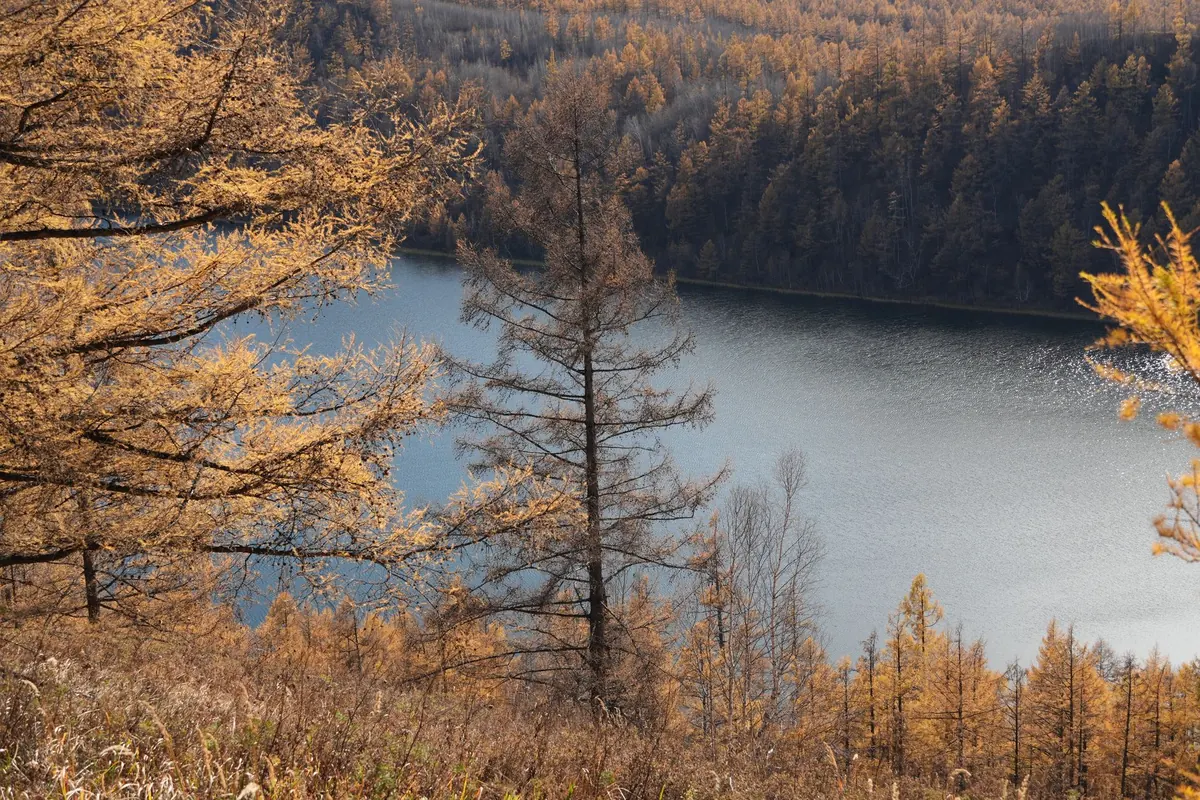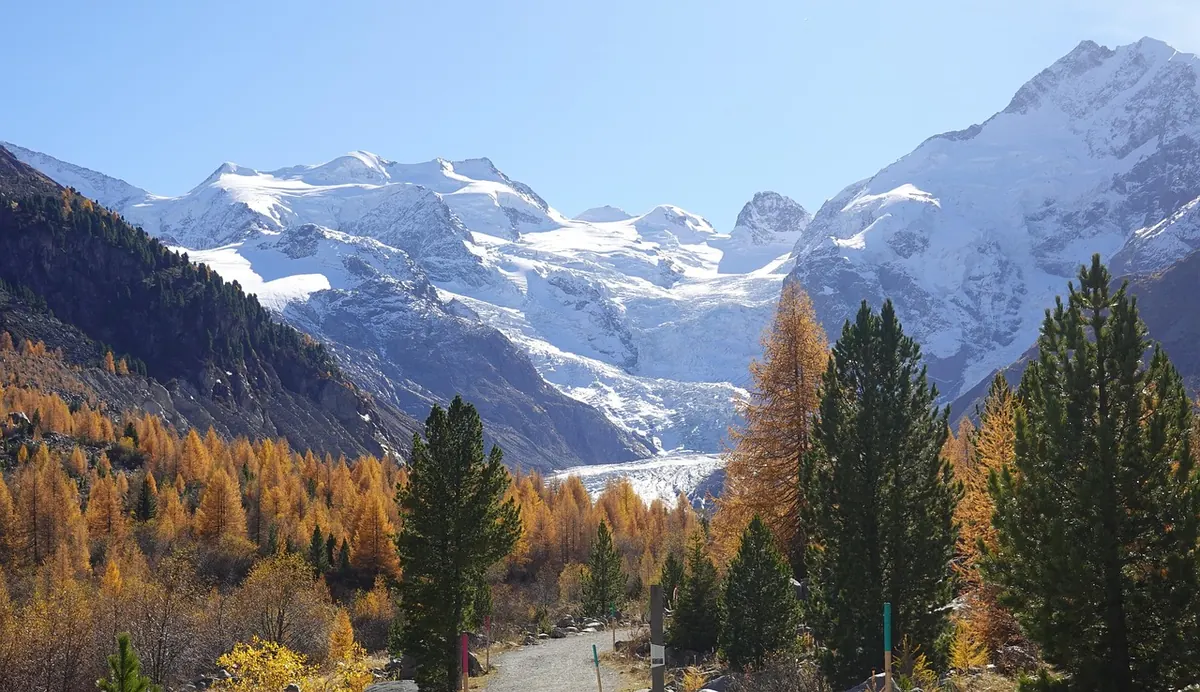
Larch does something few conifers in Britain do: it lets go. By late autumn the needles have turned amber and dropped, and by February the trees are bare skeletons that look almost dead — until March, when a soft green haze returns across the crowns. That bare-winter, light-in-spring rhythm shapes everything a larch wood can offer wildlife, and it shapes how you should manage one. Whether you own three acres of shelterbelt or a few hundred hectares of plantation, one structured walk-through a year will tell you more than any report.
What larch brings to a wood
Larch casts light shade compared with spruce or fir, so ground flora and a shrub layer survive underneath far better than under dense evergreen conifer. That matters for moths, butterflies and the insects that feed nesting tits and warblers. Larch is also generous with seed. In a good cone year, siskins and redpolls work the cones through the winter and crossbills often join them; the aphids that feed on the needles produce honeydew in summer, which draws bees, wasps and wood ants. Red squirrels will strip larch cones alongside pine and spruce, so a decent larch crop can bridge a poor year elsewhere.
Then there is structure. Straight stems, high crowns and an open understorey in a young crop give species the two things they rarely get together: cover and a clear flight line. Goshawk, buzzard, woodcock and roe deer all use that. In older stands, crevices, split limbs and old woodpecker holes become roosts for bats and nesting sites for owls.
A conservation checklist for larch woods
Walk the wood in late winter, when structure is visible, and again in June, when you can see what is actually using it. Tick what you find; the gaps become your work list.
- Age structure. Is everything the same age? Aim for three age classes across the wood, even if one dominates.
- Canopy gaps and open space. Small holes of a few metres let light reach the floor; larger open patches suit butterflies and hunting bats.
- Deadwood. Standing dead stems, fallen logs and stumps left in place — ideally some in sun and some in shade.
- Ground flora and shrubs. Bilberry, heather, wood sorrel, moss carpets, bramble and young rowan or birch in the understorey.
- Rides and edges. Wide, sunny ride edges with a scalloped shape are worth more than a straight corridor mown to the ground.
- Wet ground and water. Flushes, ditch lines and stream sides — valuable habitat, though also the places where disease risk is highest.
- Retained and veteran trees. Thick-barked old larch, and any broadleaves left standing from before the wood was planted.
- Signs of use. Nests, holes, mammal tracks, stripped cones, droppings, owl pellets — evidence beats assumption.
- Connectivity. Does the wood join hedges, scrub, other woodland or a mature garden? Isolated woods lose species over time.
The disease question: Phytophthora ramorum
No honest conversation about British larch can skip this. Larch is a host for Phytophthora ramorum, and infection has led to large-scale felling in several parts of the country. Look for sparse, thinning crowns, dead branches, and dark bleeding lesions on the bark, sometimes with blackened or wilted needles lower down.
If you suspect it, contact the forestry authority for your part of the UK without delay, and take professional forestry advice before felling or moving any timber. Statutory plant health notices can require felling within a set period, and there are rules about moving larch material. This is a topic where a conversation with a qualified forester or the relevant authority is worth more than anything you read online — including here.
Managing for structure, not tidiness
Most larch woods in Britain are even-aged crops, and the single most useful thing you can do is break that uniformity. Thin progressively rather than all at once, and resist the urge to clear every gap. A few stems left to grow on to a longer rotation — thicker trunks, deeper bark, more cavities — add more than an extra row of clean sawlogs.
Where you restock, consider a mix rather than a larch monoculture. Birch, rowan, oak, Scots pine and willow all bring different value, and a mixed wood rides out disease, wind and market shocks far better. On wet ground and along stream sides, planting something other than larch is a sensible precaution. If you want more larch, note that it regenerates best on disturbed mineral soil: old tracks, windthrow pits and scarified patches often seed up on their own.
Biosecurity in practice
Disease spreads on soil, on water and on kit. Simple routines make a real difference:
- Arrive with clean boots, tyres and machinery, and brush off mud before you leave.
- Plan your route from the driest, healthiest ground to the wettest, and don't backtrack through clean areas.
- Keep vehicles on established tracks where possible, especially in wet conditions.
- Source planting stock from a reputable nursery and ask about provenance and plant health.
- Record what you see and when — dates, grid references, photographs — so you can report changes accurately.
Starting points
If you do nothing else this year, do three things. Walk the wood in late winter and mark your gaps and deadwood on a simple sketch map. Get a professional opinion on the health of your larch, particularly if the site is wet or you are near known infected woodland. And pick one manageable change — a scalloped ride edge, a small gap, a few trees left standing — and finish it properly. Larch woods respond quickly to light and disturbance, and the wildlife tends to follow within a season or two.
Photo: Horatiu Daniel / Pexels